
CNC jig grinders are the backbone of ultra-precision manufacturing for high-stakes applications. These specialized machines deliver micron-level accuracy parts from complex plastic mold inserts to durable robotic automation parts—precision standard CNC machining can’t provide. Let’s explore what a CNC jig grinder is, how CNC jig grinding works, its benefits to molds and robotics and how to choose the right high-precision CNC machining services for your most demanding projects.
What Is a CNC Jig Grinder? and How Does It Work?
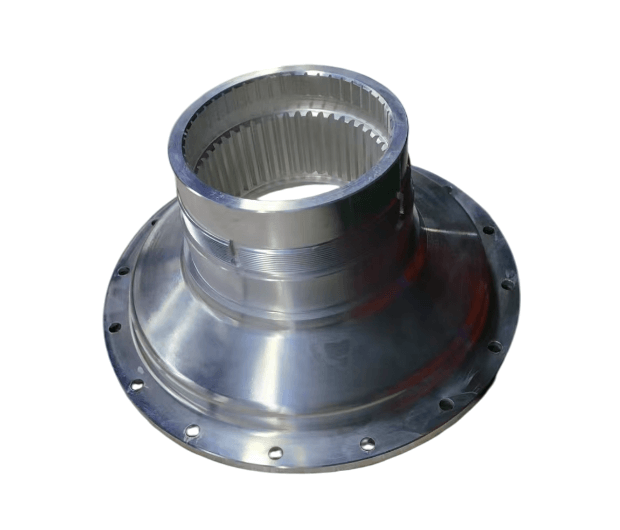
At its core, jig grinding supports three key manufacturing sectors: plastic mold making (for precision inserts and cavities), general precision machining (tight-tolerance parts across industries), and robotic automation components requiring consistent repeatability.
For example, mold inserts demand smooth, complex cavities, while robotic components rely on micron-level accuracy for reliable movement. Jig grinding also excels at post-EDM finishing, correcting rough surfaces and heat-affected zones (HAZ) left by electrical discharge machining.
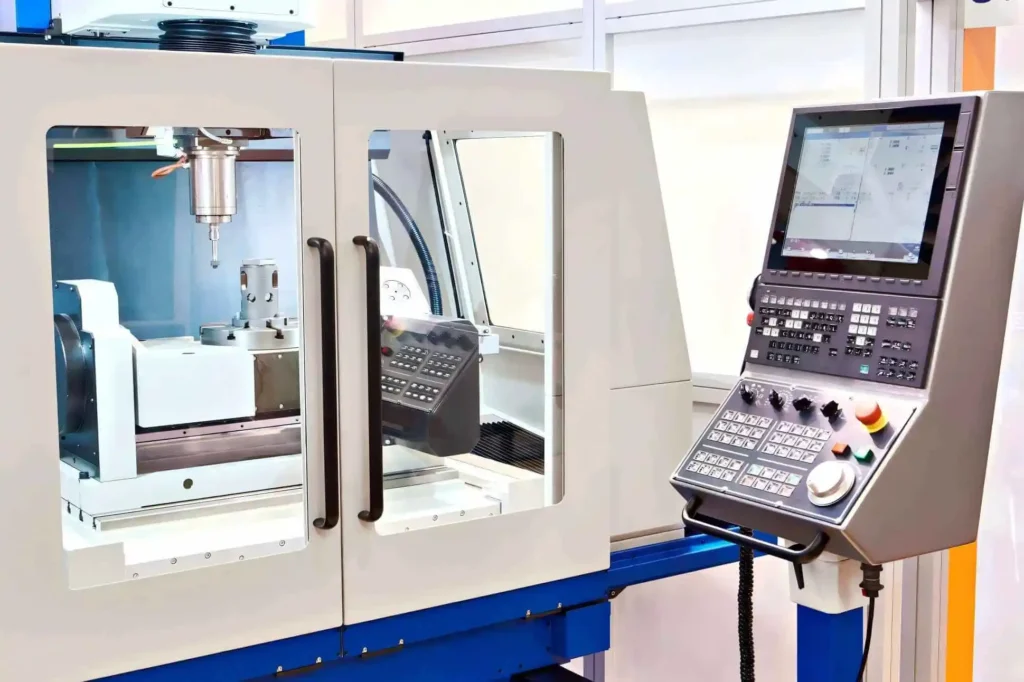
CNC Jig Grinding Precision & Technical Components
Key Precision Standards
This precision comes from core technical components:
-
Sub-micron linear scales
-
High-frequency air spindles (60,000–120,000 RPM)
-
Real-time thermal compensation systems
Together, these features minimize thermal expansion, vibration, and tool wear—all key challenges in high-precision CNC machining services.
Benefits for Plastic Mold Inserts
For plastic mold manufacturers, CNC jig grinding improves mold performance, part quality, and production efficiency.
1. Mirror-Like Surface Finish
Jig grinding produces finishes from Ra 0.02–0.1 μm, reducing or eliminating manual polishing. Smooth mold surfaces improve part release, reduce adhesion, and ensure accurate texture replication. According to Plastics Technology (2024), jig-ground inserts see a 35% reduction in part sticking compared to EDM-finished tools, increasing throughput by 20%. That is a key advantage in cnc jig grinding vs EDM for mold making.
2. Complex Cavity Machining
3. Tight Tolerance Control
4. No Heat-Affected Zone (HAZ)
Unlike EDM, CNC jig grinding is a cold-cutting process and creates no heat-affected zone. EDM’s HAZ can soften or embrittle tool steel, shortening tool life. This makes jig grinding ideal for high-performance, long-life mold components. It is also one of the most significant advantages of CNC jig grinding vs EDM for mold making — preserving material integrity for long-term durability.
Benefits for Robotic Automation Components
1. Micron-Level Accuracy & Repeatable
Robotic parts — including end-effectors, grippers, and precision joints — require positional accuracy within ±0.0005 mm for smooth, repeatable motion. A 2023 study in Robotics and Computer-Integrated Manufacturing found that jig-ground joints offer up to 30% better repeatability than milled or turned components.
2. Compatibility with High-Strength Materials
Jig grinding works reliably with robotics-grade materials including 316L stainless steel, Ti‑6Al‑4V titanium, and CFRP composites. Material removal is controlled at 0.1–1 μm per pass to avoid damage. According to the International Federation of Robotics (IFR), 78% of robotic component manufacturers prefer jig grinding for high-precision, long-lasting parts.
3. Complex curved shapes
Five-axis jig grinding produces intricate, curved components such as gripper fingers and joint parts while maintaining tight tolerances. A leading collaborative robot manufacturer,uses CNC jig grinding for robotic automation components for its gripper reducing grip force variation by 25% compared to conventional machining. (source: Industrial Robot, 2024).
4. Improved Wear Resistance
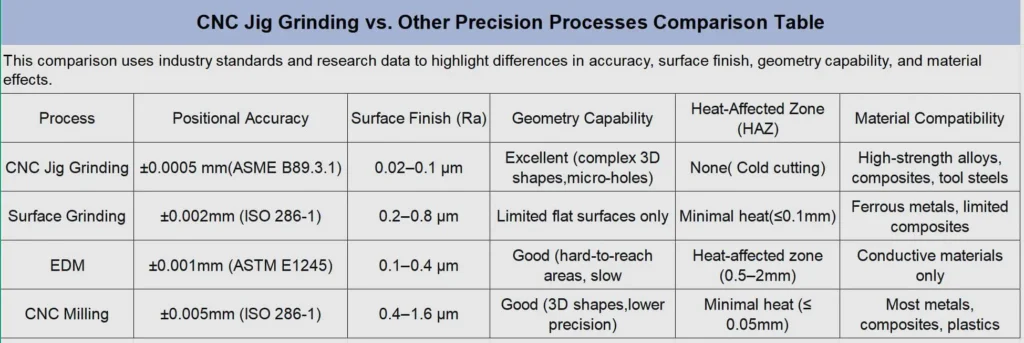
CNC Jig Grinding vs. Other Precision Processes
Beyond the numbers, several key technical differences stand out:
Speed and Material Impact
EDM can reach hard-to-access areas, but it is significantly slower—often taking more than three times as long for precision surface work. It also creates a heat-affected zone that can reduce the fatigue strength of tool steel by up to 20% (source: Materials Science and Engineering A, 2022). For this reason, EDM is not ideal for high-stress components such as mold inserts or robotic joints.
Geometry Limitations
Surface grinding performs well on flat surfaces but cannot produce complex 3D shapes, making it impractical for mold cavities or robotic end effectors.
Precision Comparison
CNC milling offers great versatility but falls short in tight-tolerance applications. Its positional accuracy is roughly ten times lower than that of CNC jig grinding.
In short, CNC jig grinding is one of the few processes that balances precision, speed, and geometric complexity—making it the preferred choice for the most demanding mold and robotic components. For more insights on precision tooling, learn about Type of Reamer Tool, Definitions, Uses and Industries —a complementary process for tight-tolerance machining.
How to Choose a Jig Grinding Service?
Define Your Requirements Clearly
Start with tolerances (ISO 286-1 or ASME B89.3.1), surface finish (Ra value), material type, and part complexity. Mold inserts often need ±0.001 mm and Ra 0.05 μm, while robotic joints may require ±0.0005 mm and Ra 0.02 μm.
Evaluate Equipment Quality
Look for machines with sub-micron scales, high-speed air spindles, thermal compensation, and optional 5-axis capability. Trusted brands include Studer, Moore, and Okamoto. (source: Machine Design, 2024).
Check Relevant Experience
Ask for case studies in mold production or robotics. A strong provider will show data on longer tool life, lower scrap, or improved part performance.
Review Quality Control Systems
Reliable suppliers use CMM equipment (Zeiss, Hexagon), surface roughness testers, and statistical process control, supported by ISO 9001:2015 systems..
Confirm Production Flexibility
Ensure the provider supports both small prototypes and full-volume production, with automation for high-run efficiency. So they can support your project from design through to mass manufacturing. Discover Why Global Manufacturers Choose China’s Precision CNC Machining for reliable, high-quality precision parts. For a broader view of industry leaders, explore our guide to the Top 20 CNC Machine Manufacturers in World (2024 Ranking).
Emerging Trends in CNC Jig Grinding
As manufacturing technology continues to advance, CNC jig grinding is evolving to meet even higher demands. Several key trends are shaping the future of the industry.
- Higher automation: Robotic loading and digital twins cut setup time and scrap.
- Advanced CBN wheels: Last 10x longer than conventional wheels while improving finishes.
- Sustainable operations: Energy-efficient spindles and closed-loop coolant systems reduce waste by up to 60%.