
Prototype vs Production Tooling: A Complete Guide
At AMSL, we help you compare prototype vs production molds for your injection molding projects, offering tailored solutions to match your unique production volume needs.
Our prototype tooling process leverages CNC Rapid Prototyping to quickly validate designs before moving to full-scale production.
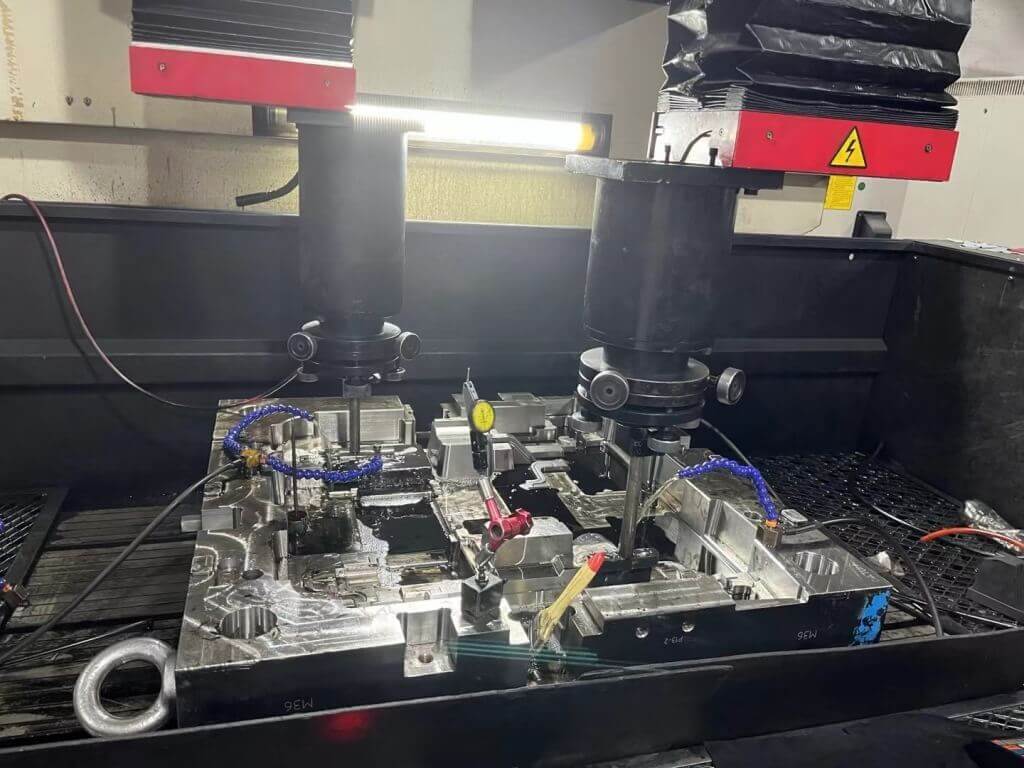
Fastest Path to Market and Cost-Effective Solutions With Our Prototype Tool.
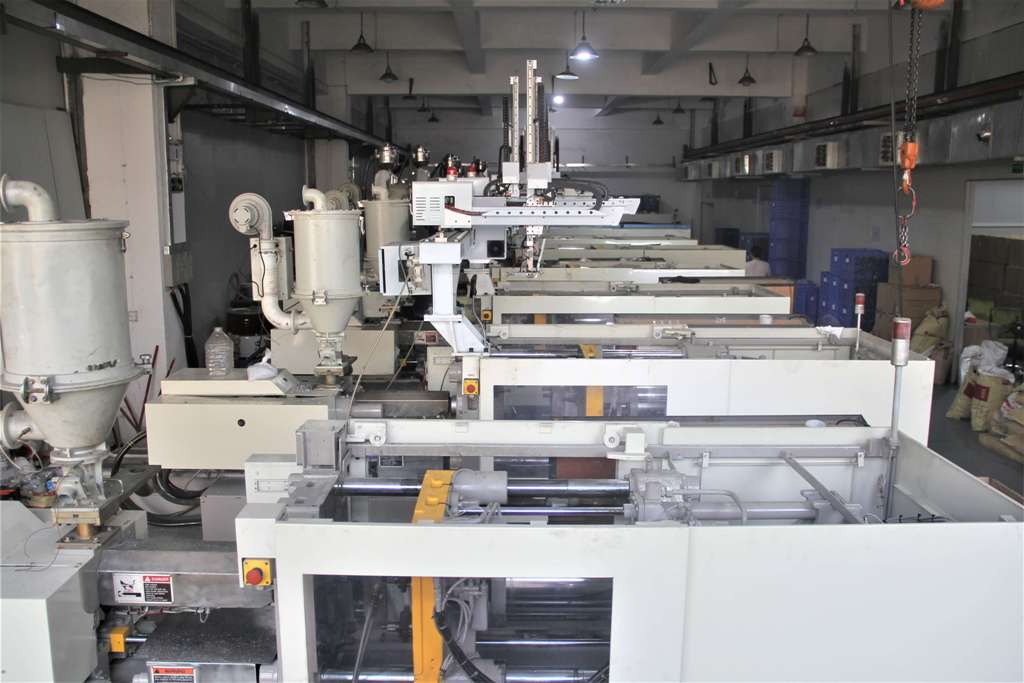
What is prototype tooling in manufacturing?
Prototype tooling is primarily used in new product development, where it helps create functional prototype parts to validate design feasibility, product performance, and critical injection molding process parameters. It is ideally suited for parts with simpler structures and lower-volume production runs, supporting faster iterations and reducing the time to market for new designs
What is the concept of production tooling?
Production tooling is the foundation of large-scale, consistent manufacturing. To ensure long-term durability and adherence to strict part tolerances, production molds are engineered with high precision and robust materials, making them essential for high-volume, repeatable production runs.

Key Differences: Prototype and Production Molds
When evaluating prototype vs production molds, it’s essential to compare their key differences to find the right fit for your project. Below, we break down how they stack up in production ability, design complexity, material selection, and more.
Production ability
When choosing between prototype vs production molds, production volume is one of the most critical factors.
- Production tooling: Engineered for high-volume production with strict tolerances, perfect for mass manufacturing.
- Prototype tooling: Focused on low-volume production with relaxed precision requirements, primarily used for design validation, functional testing, and early market feedback.
Design complexity comparison
- Prototype tooling: Features simpler designs focused on meeting basic injection molding needs, without excessive pursuit of structural complexity or ultra-tight tolerances.
- Production tooling: Involves more complex designs that account for injection molding machine performance, part tolerances, and overall production efficiency.
Material selection and treatment
When it comes to material selection for prototype vs production molds, the priorities differ significantly. Prototype molds are typically built with soft tooling, while production molds rely on hard tooling to withstand high-volume runs. To learn more, see our guide on Soft Tool vs. Hard Tooling in Manufacturing.
- Prototype tooling: Often uses cost-effective, easily processable materials like S50C steel or aluminum, prioritizing speed and affordability over extreme durability.
- Production tooling: Requires tough materials like high-speed tool steel or carbide alloys to withstand high-volume production and meet tight tolerance requirements.
Processing difference
- Prototype tooling: Relies on mechanical machining, resulting in shorter manufacturing cycles and lower costs, with less emphasis on advanced heat or surface treatments.
- Production tooling: Utilizes state-of-the-art techniques like CNC machining and EDM, paired with heat treatment and surface finishing, to ensure maximum precision and mold longevity.
Cost Comparison
When evaluating tooling costs, the choice between prototype vs production tooling often mirrors the broader tradeoffs seen in processes like Die Casting vs. Injection Molding: Cost Comparison.
- Production tooling: Carries a higher upfront cost due to specialized mold steel, complex design, and precision processing required for long-term durability.
- Prototype tooling: Offers a more cost-effective solution, with lower material and processing costs, making it ideal for early-stage projects.
Lead time
- Production tooling: Typically takes 5 weeks to several months, depending on mold size and construction complexity.
- Prototype tooling: Can deliver T1 samples in as little as 2 to 5 weeks, significantly reducing the time for design validation and testing.
Customizable Prototype Tooling Solutions
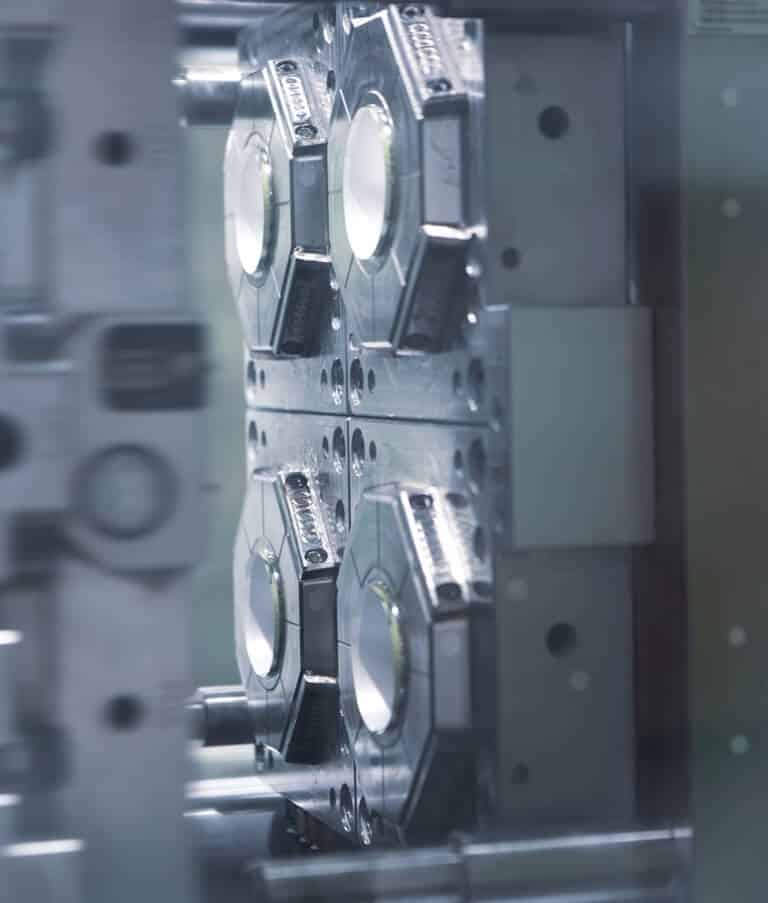
Why use prototyping tools?
✅ Iterative Design: Receive prototype parts within days for quick feedback and testing, enabling fast design refinements before finalizing the product.
✅ Effective communication: Prototyping clearly conveys ideas between designers, clients, and teams, ensuring alignment on project goals.
✅ Cost savings: Identifies design flaws early, reducing the risk of costly changes during mass production.
✅ Niche marketing: Produces small batches of parts for market testing, helping capture niche audiences and minimize financial risk before full production.
Time efficiency
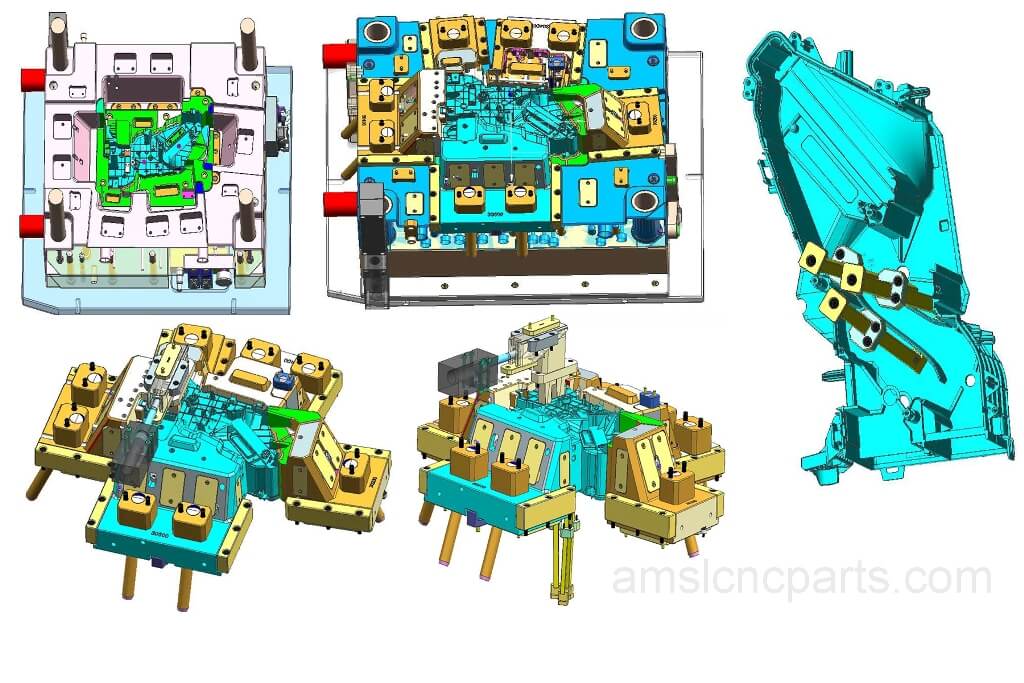
F.A.Q.
Frequently Asked Questions
What are prototype molds usually made of?
S50C; P20 steel or Aluminum
What is the service life for prototype tool?
Typically hundreds shots or ≤2000 shots
What is rapid prototyping and tooling?
Rapid prototyping and tooling are essential techniques in product development.
Rapid prototyping is a technique to create physical models from digital designs quickly, often using 3D printing.
And rapid tooling refers to the fast production of tools or molds, typically using methods like additive manufacturing or CNC machining, to accelerate and reduce the cost of production runs. Both methods enhance design flexibility and speed up the development cycle.
How much does a prototype usually cost?
The cost of a prototype can vary widely based on factors like design complexity, materials, and mold size. Generally, prototype tool costs range from $1000 to $50,000.
How long does it take to build a prototype tool?
Typically, building a prototype tool takes between 2 weeks to 2 months, It depends on the complexity of the part, mold size, and the manufacturing processes involved.
What are the applications of prototyping?
- Product development Used across various industries, including automotive, consumer goods, electronics and medical devices, to develop and refine new products.
- Functional testing Build prototypes for functional testing, ensuring that parts meet performance requirements before mass production.
- Market testing Produce small batches of parts for market testing and validation.
What is prototype injection molding?
Prototype injection molding is a rapid prototyping technique used to create small quantities of injection-molded parts for test or refine product designs before full-scale production. It’s commonly employed in product development to quickly and cost-effectively produce functional prototypes that closely resemble the final product in terms of material, geometry, and functionality.