MIM vs Die Casting: Which Process Fits?

When manufacturing metal parts, selecting the right process is critical for balancing cost, precision, and performance.Metal injection molding (MIM) and die casting are two widely used methods, but they cater to vastly different needs. To clarify their distinctions, this guide explores their materials, technical features, and ideal applications to help you make a right choice.
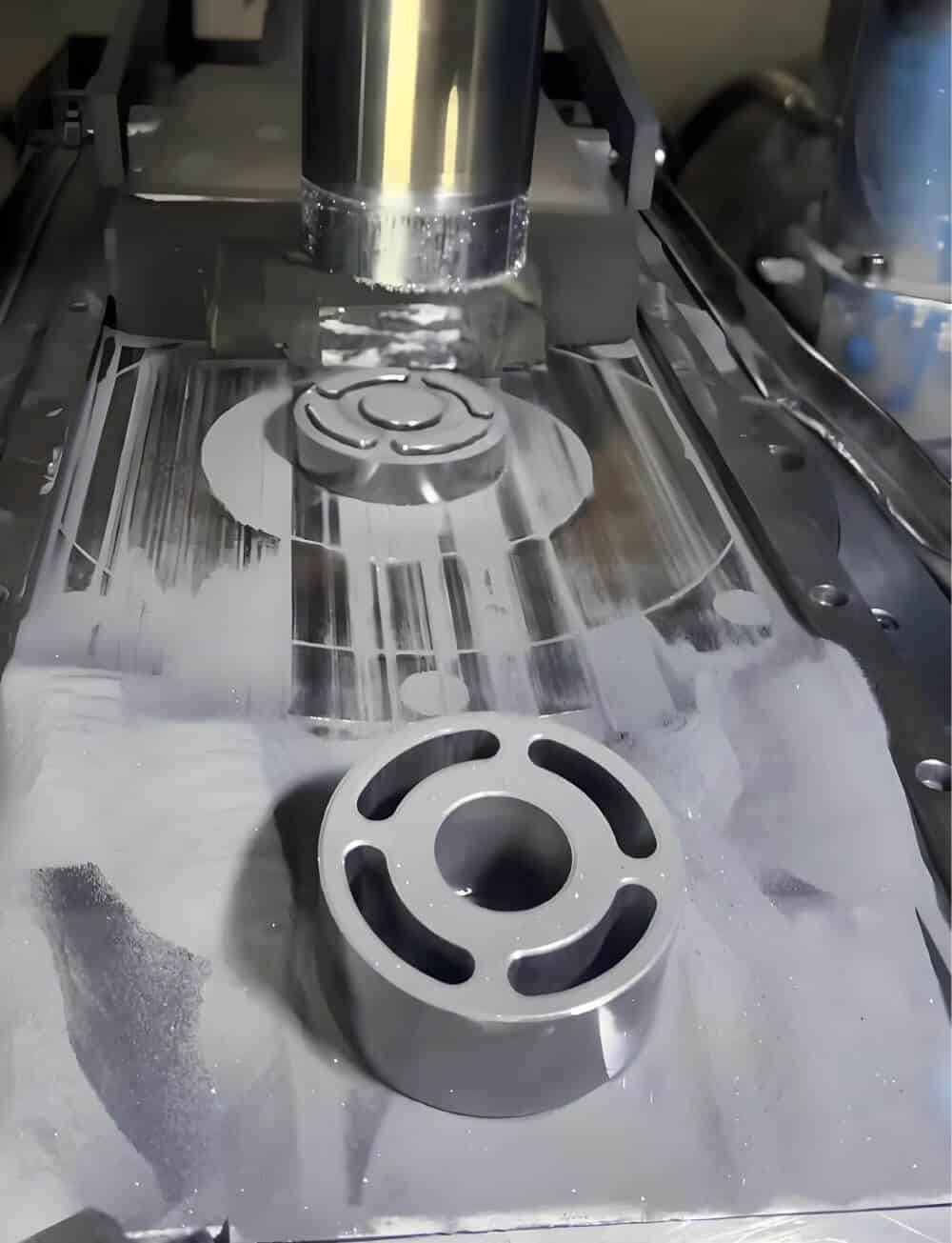
metal-injection-molding-stainless-steel

Metal Injection Molding (MIM) vs Die Casting: Process and Advantages

What Is Metal Injection Molding (MIM)?

MIM blends plastic injection molding techniques with powdered metallurgy.

The process involves:

Initially, mixing fine metal powders (e.g., stainless steel, titanium) with a polymer binder to create a feedstock. 

Furthermore, injecting the mixture into a mold to form a “green part.” 

Lastely, debinding and Sintering: The binder is removed, and the part is heated to bond the metal particles, resulting in a strong, precise finished component.

Advantages of MIM:

Ideal for complex parts with thin walls, internal channels, or micro-features.

Additionally, it offers high-quality surface finishing with minimal post-processing.

Moreover,near 100% material utilization, reducing waste for expensive alloys.

Die Casting

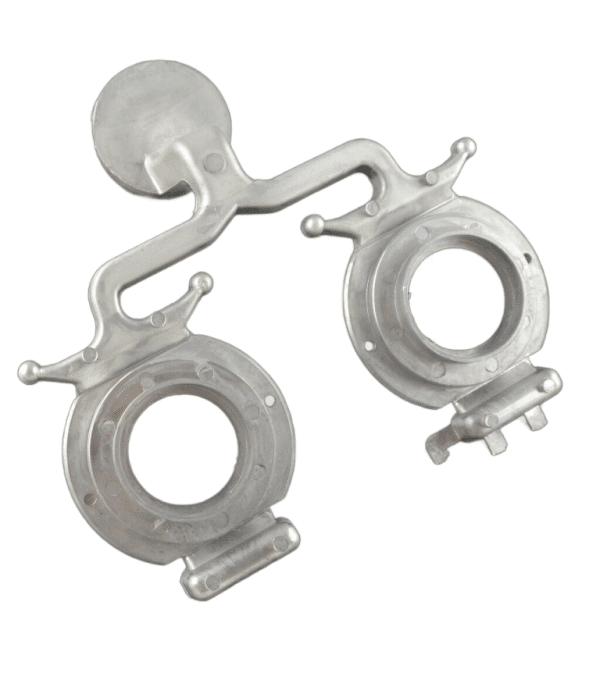
Die Casting forces molten metal (e.g., aluminum, zinc) into a steel mold under high pressure. As the metal solidifies rapidly, it producing strong, high-quality stable parts. Primarily this method is ideal for large-scale production of simple to moderately complex shapes.

Key Features of Die Casting:

Faster cycle times and lower per-unit costs for mass production.

Furthermore it produces strong, durable parts with high rigidity.

However, it’s limited to materials with lower melting points compared to MIM.

Similarly, it is less suitable for complex geometries or thin walls.

Finally, this process is cost-effective for mass production (1,000+ units).
Technical Comparison: Metal Injection Molding vs Die Casting

Factor Metal Injection Molding (MIM) Die Casting
Raw Materials Fine metal powders (Stainless steel, titanium, ceramics) Molten metals( Aluminum, zinc, magnesium )
Part Complexity High (thin walls, intricate designs) Low-moderate (simple geometries)
Tolerances ±0.3% ±0.5%
Production Volume Low to medium (10–100,000 units) High (10,000+ units)
Processes Involved Mixing, Injection, debinding, sintering Melting, injection, cooling, ejection
Temperature High-temperature sintering (~1300°C) Molten metal (600–700°C for Al/Zn)
Lead Time Longer ((sintering adds time) Shorter (fast cooling)
Post-Processing Minimal (near-net-shape output) Often required (machining, polishing to get a good surface)
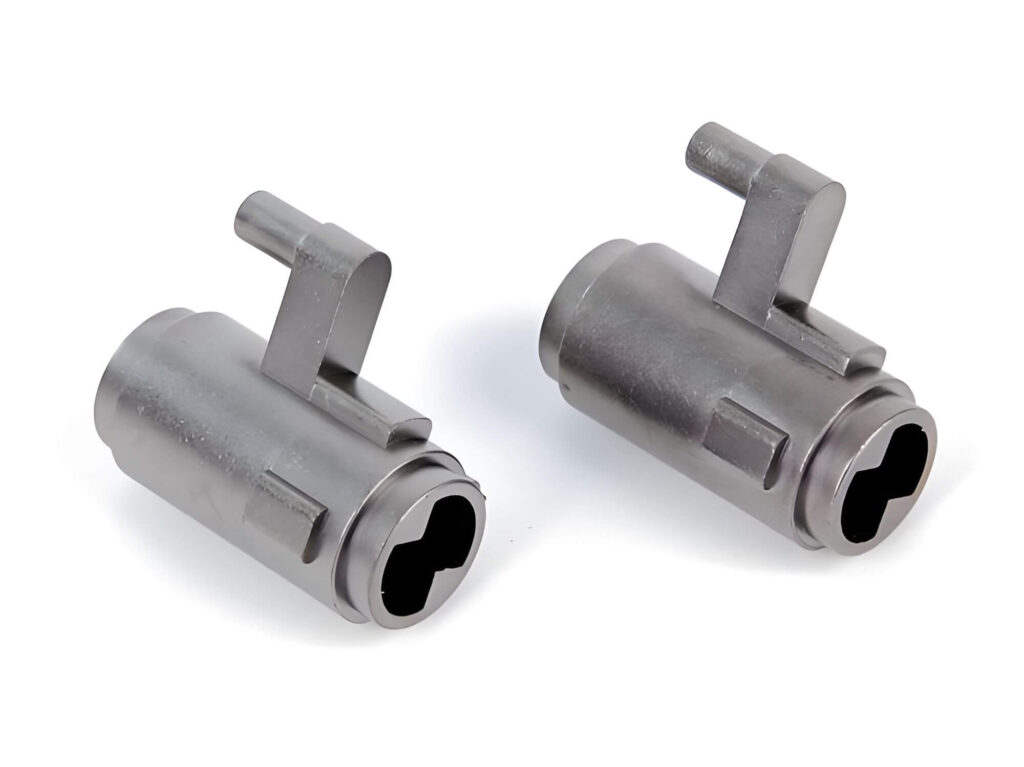
MIM-sintering-metal-injection-molding
Die-casting-aluminum-alloy

How to Choose Between MIM and Die Casting

✅ Choose MIM For:

· Complex geometries: Thin walls, internal channels, or tiny components.

 High-performance and value parts: Biocompatible or corrosion-resistant alloys.

· Low waste: Near 100% material efficiency.

✅ Choose Die Casting For:

1. Mass production: Millions of units at low cost.

2. Simple parts: Structural components with basic shapes.

3. Efficient and Cost Effective: Tooling cost and material cost are lower and fast cycle times for tight deadlines.

For a detailed cost breakdown, read our guide: Die Casting vs Injection Molding Cost Comparison.

Conclusion

MIM shines for precision and complexity, while Die Casting excels in speed and scale. Match your project’s needs to these strengths for optimal results.

Still unsure which process fits your project?

 Contact AMSL for expert guidance on MIM and Die Casting solutions.

Leave a Comment

Your email address will not be published. Required fields are marked *

Scroll to Top