
Table of Contents
Introduction
Modern manufacturing runs on CNC technology, where choosing the right equipment becomes one of the most critical decisions for industry professionals. This comprehensive guide provides an authoritative analysis of the top 20 CNC machine manufacturers in the world, with special focus on German engineering excellence and practical selection criteria.
Our Selection Methodology: How We Define "Top"
We evaluated each manufacturer against a rigorous criteria, including revenue and market share, technological innovation, product portfolio breadth, global reputation, and service network quality, to ensure a balanced and trustworthy ranking.
Overview Table & CNC Machine Manufacturer Ranking 2024
Before diving into the technical and strategic analysis of each brand, here is a quick overview of the leading CNC manufacturers across the globe. This table shows the location of each company and what type of machines they offer and their main applications.| Global Ranking | Manufacturer Name | Country/ Region | Speciality |
|---|---|---|---|
| 1 | DMG Mori | Germany / Japan | 5-axis machining, turning and advanced automation |
| 2 | Yamazaki Mazak | Japan | Multi-tasking machines, smooth CNC system |
| 3 | Trumpf | Germany | CNC punch presses, Laser cutting systems |
| 4 | Okuma | Japan | High-precision turning centers, grinders |
| 5 | Haas Automation | USA | CNC vertical and horizontal machining centers and lathes |
| 6 | GF Machining Solutions | Switzerland | High-speed milling, sinker & wire EDMs |
| 7 | Doosan Machine Tools | South Korea | Large CNC lathes, bridge mills |
| 8 | Makino | Japan | High-speed machining centers, EDM machines |
| 9 | Hermle | Germany | 5-axis machining centers |
| 10 | Grob-werke | Germany | Universal 5-axis machines |
The Definitive List: Top 20 CNC Machine Manufacturers
Here are the companies setting the global standards for precision, reliability, and technological advancement in 2024:
1. DMG Mori—Best German CNC Machines (Germany/Japan)
The global leader in integrated machining solutions excels in 5-axis machining, turning, and advanced automation with their CELOS controller system.
Key Strengths: Multi-tasking machines, hybrid manufacturing (LASERTEC), and a vast global service network.
Learn More About DMG Mori Solutions
2. Yamazaki Mazak (Japan)
Pioneer of multi-tasking technology, renowned for its INTEGREX series, which combines milling, turning, and deep-hole drilling in a single setup, drastically reducing production time.
Key Strengths: Multi-tasking machines, smooth MAZATROL CNC system, and smart factory solutions.
Learn More About Yamazaki Mazak’s multi-tasking technology
3. Trumpf: Best German CNC Machines – Engineering Excellence
German manufacturers represent the gold standard in precision engineering, known for their relentless pursuit of perfection and robust machine construction.
Trumpf specializes in laser CNC and sheet metal fabrication, dominating with their advanced laser cutting systems and Industry 4.0 connectivity.
Key Strengths: Laser cutting systems, CNC punch presses, and Industry 4.0 connectivity.
Learn More Visit Trumpf Official Website
4. Okuma (Japan)
Master of machine tool stability, famous for its “Thermo-Friendly Concept,” which compensates for thermal displacement to ensure extreme accuracy over long production runs. They manufacture their own controllers, drives, and motors.
Key Strengths: High-precision turning centers, grinders, and the proprietary OSP-P control. Explore More about Okuma CNC Machine Tools
5. Haas Automation (USA)
Leader in accessible CNC technology, providing reliable, cost-effective CNC vertical and horizontal machining centers and lathes with strong dealer support.
Key Strengths: Excellent value, extensive model range, and a strong, responsive dealer network.
Discover more about Haas CNC machining centers and lathes
6. GF Machining Solutions (Switzerland)
Expert in precision milling and EDM, serving demanding industries like medical and aerospace with high-speed solutions.
Key Strengths: GF Machining EDM and high-speed milling solutions.
7. Doosan Machine Tools (South Korea)
Powerhouse in heavy-duty machining, offering a robust and diverse lineup, from large vertical turning lathes (VTLs) to complex 5-axis machines, known for excellent price-to-performance ratio.
Key Strengths: Large CNC lathes, bridge mills, and excellent price-to-performance ratio.
Doosan heavy-duty CNC machine tools
8. Makino (Japan)
Authority in high-speed and die/mold machining, engineered for exceptional accuracy, speed, and superior surface finishes, such as in the die/mold industry and high-production manufacturing.
Key Strengths: High-speed machining centers, EDM machines, and advanced process expertise.
Makino die and mold CNC machining solutions
9. Hermle (Germany)
The benchmark for 5-axis precision is synonymous with rigidity, dynamics, and reliability in producing complex components for tooling and aerospace.
Key Strengths: 5-axis machining centers, exceptional accuracy, and stability.
Hermle 5-axis precision machining centers
10. Grob-Werke (Germany)
Leader in customized manufacturing systems and dominant force in universal milling and turning centers, as well as highly customized transfer lines for the automotive and aerospace sectors.
Key Strengths: Custom machining systems, universal 5-axis machines, and complete automation.
Grob-Werke custom 5-axis manufacturing systems
The Complete Global Elite:
Additional top manufacturers include INDEX Group, FANUC, Mitsubishi Electric, Hyundai WIA, EMAG, CHIRON Group, Hardinge, Amada, SMTCL, and Breton.
- INDEX Group (Germany)—A specialist in multi-spindle and turn-mill centers for high-volume production.
- FANUC (Japan)—theworld’s largest producer of CNC controls and a leading maker of CNC systems and robots.
- Mitsubishi Electric (Japan)—a leader in CNC controls and high-performance EDM machines.
- Hyundai WIA (South Korea)—Known for high-performance turning centers and machining centers.
- EMAG (Germany)—Expert Expert in vertical turning machines and turn-key production systems for high-volume components
- CHIRON Group (Germany)—Specializes Specializes in high-speed CNC vertical machining centers and turnkey solutions
- Hardinge (USA)—a historic name with a strong reputation for precision lathes, milling machines, and grinding systems.
- Amada (Machine Tool Co.) (Japan)—A global leader in sheet metal machinery, including CNC punch presses and laser cutters.
- SMTCL (China)—One of the world’s largest manufacturers by volume, offering a wide range of machines for the value-conscious market.
- Breton (Italy)—Renowned for high-speed machining centers and complete lines for processing natural stone, composites, and metal.
Spotlight on Excellence: German CNC Machine Brands
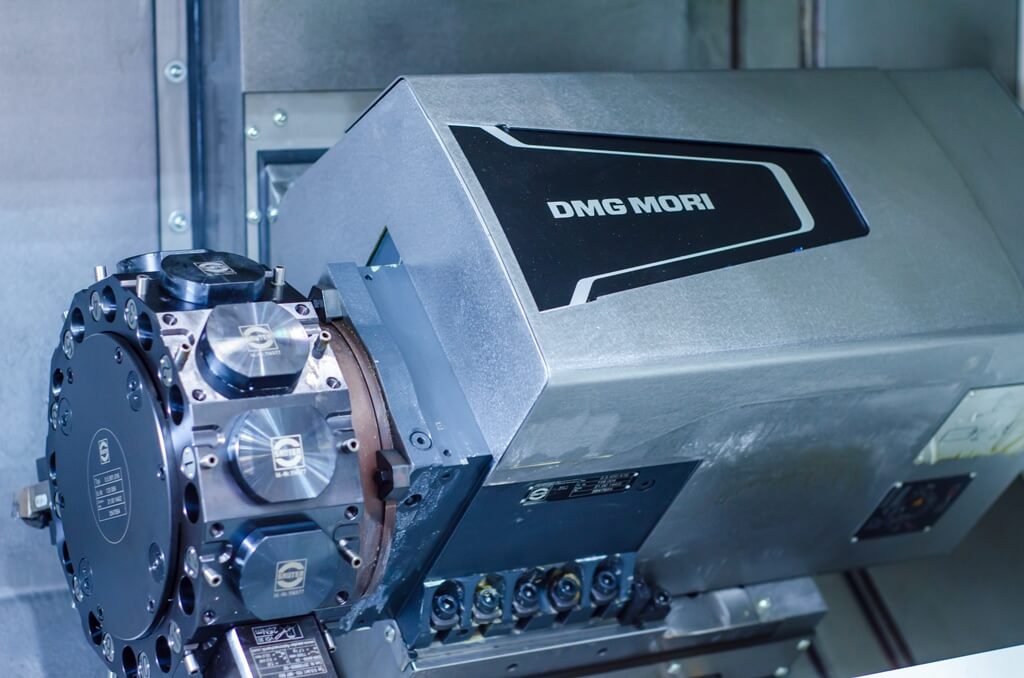
German CNC machine brands on the top list are no accident. It reflects a deep-rooted engineering culture that prioritizes precision, durability, and innovation in Industry 4.0. When you invest in a German CNC machine, you’re not just buying equipment—you’re investing in generations of expertise and a reputation for quality.
Why are German CNC brands so highly regarded?
- Unmatched Precision: There is a cultural focus on extreme accuracy and rigorous testing. Every machine is built and tested to hold tolerances for decades—so you can count on it year after year.
- Innovation in Automation & Industry 4.0: German companies are pioneers in creating “smart” machines that self-optimize and communicate within a digital factory setup.
- Robust Construction and Longevity: The use of high-quality materials, meticulous assembly, and conservative design principles result in machines with an exceptionally long service life.
Brands like DMG Mori, Trumpf, Hermle, Grob, and INDEX are trusted by the world’s most demanding industries like aerospace, medical technology, and high-end automotive—where there’s simply no room for error.
How to Choose the Right CNC Brand for Your Needs?
Selecting the CNC machine brands is a critical capital investment decision that directly impacts your production capability, product quality, and profitability. For me, I am not just focused on the cost but also consider the following strategies or factors:
1. Define Your Machining Requirements
I learned this lesson early on: you can’t pick the right machine until you know exactly what you need to make. It sounds obvious, but I’ve seen too many shops buy equipment that’s either overkill or completely inadequate for their actual work.
When I look at materials, it’s not just about what I can cut, but how efficiently I can cut it. If I’m mainly working with aluminum, I’m looking for spindles that can maintain high RPMs without heating up too much. But if titanium or stainless steel is my bread and butter, I need machines with serious torque and rigid construction—something that won’t deflect when pushing through tough materials.
Size matters more than people think. I always measure my largest part and then add plenty of extra room for fixtures and tool clearance. There’s nothing worse than getting a new machine only to discover you can’t fit your actual workpieces properly. I’d rather have a little too much space than not enough.
Precision requirements separate the hobby-grade machines from the real industrial workhorses. When I’m working on medical components or aerospace parts, I need machines that can hold tolerances under half a thou consistently. That means looking for brands that build in thermal compensation and use high-quality feedback systems—because the environment changes throughout the day, and my parts need to stay consistent.
The question I always come back to is, “What’s the biggest, most precise part I need to make, and what material will it be?”
2. Match the Machine to Your Production Volume
I’ve experienced everything from one-off prototypes to mass production, and each scenario needs a completely different approach to machinery.
For prototyping and low-volume work, I prioritize flexibility above all else. A standard 3-axis machine that’s quick to set up and easy to program is perfect. The goal here is to iterate fast without worrying about automation.
When I’m dealing with medium to high volumes, everything changes. Now I’m thinking about pallet changers and large tool magazines. The ability to run unattended for hours—or even through lunch breaks—is what makes the economics work. Every minute the machine sits idle is money lost.
For true mass production, I’m building systems, not just buying machines. This is where robotic loaders and manufacturing cells come in. I might look at brands that specialize in turnkey solutions, where the machine, automation, and programming are all designed to work together seamlessly.
The key question here is simple but crucial: “How many parts do I actually need to produce, and how fast?”
3. Choose Axes Based on Part Complexity
Think of picking a CNC machine like choosing the right tool for a job— I wouldn’t use a sledgehammer to fix a watch. The geometry of my parts will quickly tell me what kind of machine I really need.
3-axis machines are my go-to for simple, blocky parts. They’re affordable, reliable, and perfect for about 80% of the work out there. But when I see complex curves, multiple angled features, or details on multiple sides, it’s time to level up. 5-axis machines—like those from DMG Mori or Mazak—let me access almost the entire part in one setup. This is a real game-changer for aerospace or medical parts, where complex shapes are the norm. The savings in setup time alone can make the investment worthwhile.
For the most intricate parts, such as medical implants or precision fluid fittings, multi-tasking machines are the ideal choice. They combine turning and milling operations in one setup, reducing handling errors and speeding up production.
And when it comes to high-volume turning operations, specialized manufacturers like Index Group or EMAG often provide the best solutions for production efficiency.
Here’s the simple rule I follow: If I can’t make the part in one or two setups on a 3-axis machine, it’s time to consider more advanced options.
4. Balance Cost, Lead Time, and ROI
If there’s one lesson I’ve learned the hard way, it’s this: the cheapest machine to buy is often the most expensive one to own. Focusing only on the sticker price is the biggest mistake you can make. The real question isn’t “What does it cost?” but “What is it going to cost me over the next five years, and how fast will it pay for itself?”
Let me break down what I look at beyond the purchase price.
The Real Cost of Ownership (TCO)
When I budget for a new machine, I’m really thinking about the total cost of ownership. This is where I find the real differences between brands.
For tooling and workholding, I think about simplicity. A brand like HAAS is great for this. They use standard CAT 40 toolholders that I can buy from anywhere. That’s not just about saving a few dollars; it’s about avoiding downtime when I can’t get a proprietary part shipped from overseas. For a busy shop, that’s a lifesaver.
When it comes to maintenance and repairs, I need a supplier who can get me back up and running fast. This is where Mazak really stands out. With their major factory in Kentucky and a strong U.S. support network, getting a critical part like a spindle can be a matter of days, not weeks. That difference in downtime can save a production schedule and protect your relationship with customers.
Energy consumption is a cost that sneaks up on you. A machine like an Okuma with its efficient design and smart control system can draw significantly less power, especially during idle times or when running auxiliary systems. Over a year of three-shift operation, the savings on the electricity bill can be substantial—it’s like getting free running time for a part of every month.
And never underestimate the cost of training. I’ve seen shops buy incredibly advanced machines only to use them like basic ones because the operators weren’t properly trained. DMG MORI’s academy is a perfect example of getting this right. Yes, it’s an upfront investment, but it ensures my team can actually use all the advanced features we paid for. This means fewer crashes, faster programming, and optimized cycles that directly make us more money.
The Bottom Line: ROI
All of this leads to the most important number: return on investment. It’s not just about the part coming off the machine; it’s about how efficiently and reliably it gets there.
Take FANUC’s intelligent functions, for example. Their AI Thermal Control might sound technical, but what it means for me is that the machine compensates for heat expansion automatically. This results in fewer scrapped parts, especially on long, complex jobs. When you’re machining expensive aerospace alloys, saving just one or two parts a week pays for that technology very quickly.
So, in practice, my decision looks like this:
- If I need a reliable workhorse for standard 3-axis work and want to keep initial costs predictable, HAAS is a solid choice.
- When I’m running high-volume production where every minute of downtime is lost money, I lean towards Mazak for their stellar support network.
- And for the high-precision, demanding jobs where performance and efficiency are everything, the premium for an Okuma or DMG MORI is absolutely justified by the superior results and lower cost of ownership year after year.
In the end, the right machine is the one that makes you the most money over its lifetime, not the one that costs the least upfront.
5. Compare Core Technical Specifications
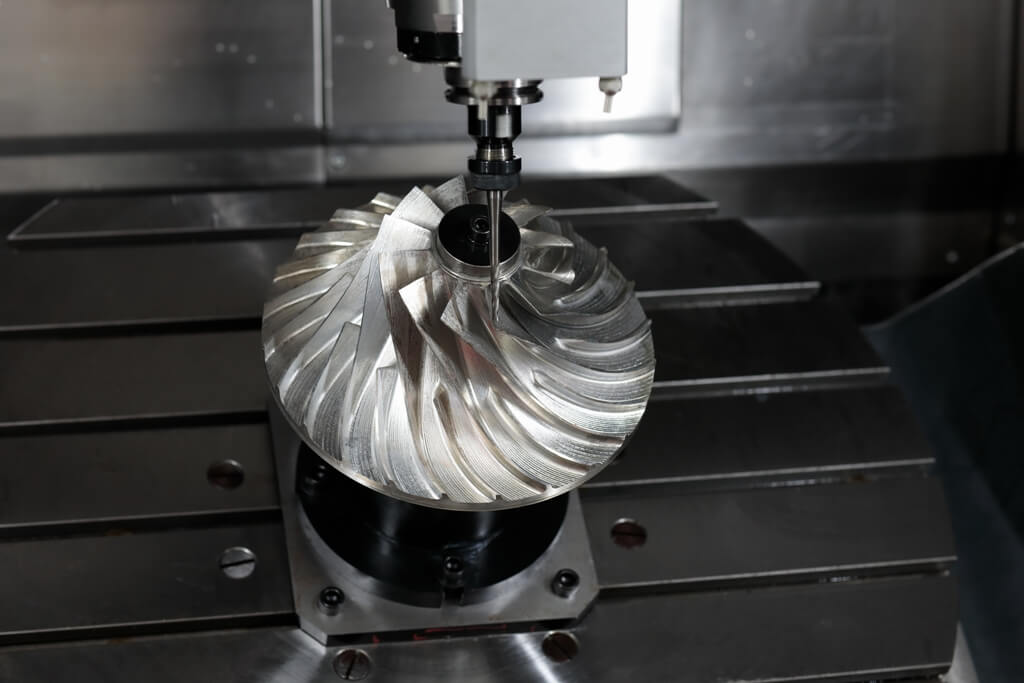
When evaluating CNC machines, I’ve learned that the real difference between brands isn’t just in their basic specifications—it’s in the unique technologies they integrate. These advanced features ultimately determine whether a machine will deliver consistent, reliable performance in your workshop day after day.
Thermal Stability | Control System | Smart Features: The Foundation of Precision
The first thing I examine is thermal management. I’ve witnessed how machines can expand and contract during extended runs, compromising accuracy. That’s why I value what companies like GF Machining Solutions achieve with their advanced spindle cooling. Their spindles maintain stable temperatures even at maximum speeds, ensuring the first part you produce is as precise as the hundredth. Similarly, Hermle’s calibration systems automatically compensate for temperature variations—functioning like built-in insurance against thermal distortion.
The automation and control systems are another area where brands really show their colors. I need machines that can talk to each other and to our planning systems. DMG MORI’s CELOS platform is great for this—it lets us manage jobs right at the machine while keeping everything connected to our main systems. Mazak’s SMOOTH Technology does something similar but with more focus on the whole factory workflow. When you’re running multiple machines, these integrated systems save us hours every day in setup and coordination.
What really impresses me these days are the smart features that prevent problems before they happen. Vibration control like what DMG MORI offers means we can take heavier cuts without worrying about chatter ruining the surface finish. And the energy-saving features in machines like Hermle’s? They actually make a noticeable difference to our electricity bills—we’re talking about cutting energy use by nearly half in some cases.
At the end of the day, I’m not just comparing technical features on paper. I’m looking at how these technologies work together to make our shop more efficient, our quality more consistent, and our operations more profitable. The best machines are the ones where you can feel the engineering thought behind every feature – they just work better, longer, and more reliably.
6. Evaluate Supplier Support and Service
Here’s the reality I’ve learned over the years: even the best machine is just expensive scrap metal if you can’t get support when things go wrong. That’s why I put as much weight on the supplier’s service capabilities as I do on the machine specifications themselves.
Local Presence: The First Thing I Check
When I’m evaluating a supplier, the first thing I look at is their local presence. I need to know there’s someone nearby who actually understands these machines. Take Haas, for example—their network of factory outlets means I can usually get a technician on-site within hours, not days. That kind of response time is priceless when you’ve got production schedules to meet.
Spare Parts Availability: A True Deal -Breaker
Spare parts availability can make or break your operation. I’ll never forget a Friday afternoon when one of our spindle motors failed. Thanks to working with a brand that stocks parts locally, we had a replacement delivered overnight and were back in production by Saturday morning. That experience taught me that a supplier’s parts logistics are just as important as the machine’s performance specs.
Training: The Best German CNC Machine Supplier
Training is an area where many suppliers fall short, but the good ones really stand out. German DMG MORI, for instance, doesn’t just deliver the machine—they provide in-depth training that helps our team master it quickly. This isn’t just about basic operation—it’s about unlocking advanced capabilities and improving programming efficiency. While quality training requires an upfront investment, it pays off quickly in fewer errors and higher machine utilization.
Delivery Times: Impact on Your Timeline
Delivery times can make or break a project timeline. I’ve worked with some European brands where lead times stretched to six months or more, while suppliers like Mazak with their Kentucky factory can often deliver in weeks. That difference isn’t just theoretical—it directly impacts when we can start generating revenue from the new equipment.
Warranty terms tell me a lot about how much confidence a supplier has in their product. The best ones offer comprehensive coverage without hidden conditions, and they stand behind it without making us jump through hoops. A strong warranty isn’t just a safety net—it’s a sign of a reliable partner.
So my key question when choosing any supplier is, “What happens when this machine breaks down at 3PM on a Friday?” The answer—how fast they respond, how they handle emergency parts, whether they offer real technical support—tells me everything I need to know. In the end, you’re not just buying a machine. You’re forming a partnership that will keep your shop productive and profitable for years to come.
7. Research Real-World Success Stories
Here’s something I always do before making a final decision—I look for proof from the real world. No matter what the sales brochures claim, the true test is how these machines actually perform day after day in shops like mine.
Learn from the Machinists
The most valuable insights often come from connecting directly with other machinists. When I was considering a 5-axis machine, I spent weeks speaking with shop owners at industry events and in online forums. Their firsthand stories and experiences with different brands proved far more valuable than any technical specification sheet.
Case Studies: Evidence-Based Results
I actively seek out documented case studies relevant to my industry. For example, while researching Mazak machines, I found multiple job shop case studies demonstrating how their INTEGREX series completed complex parts in single setups. One aerospace supplier shared how they reduced a 4-hour machining process to just 45 minutes—that’s the kind of tangible result that captures my attention.
Trade Shows: See Machines in Action
I make it a priority to attend trade shows and manufacturing expos. There’s no substitute for watching machines operate and speaking directly with the engineers who designed them. At last year’s IMTS show, We observed a DMG MORI machine producing a complex medical implant and had the opportunity to ask the operator about his daily experience with the machine’s reliability and performance.
Online Communities
Technical forums like Practical Machinist have been incredibly valuable resources. I recall reading an extensive discussion about Haas machines where owners shared their long-term maintenance experiences and operational costs over several years. This type of longitudinal data is invaluable when making an investment that needs to last a decade or more.
Reference Checks: Direct Customer Validation
I always ask manufacturers for references from businesses similar to mine. Speaking directly with current users provides crucial insights into real-world performance, maintenance issues, and overall satisfaction that you won’t find in marketing materials.
My Research Approach
Here’s the method I’ve developed over time:
Search for case studies specific to my industry and applications
Connect with other shop owners facing similar manufacturing challenges
Request manufacturer references from comparable businesses
Participate actively in online communities where machinists share honest feedback
The Key Question I Always Ask
The central question guiding my research is always, “Has someone else successfully solved a problem like mine with this equipment, and what was their actual experience?”
Ultimately, the most reliable validation doesn’t come from marketing materials—it comes from conversations with people who have already traveled the path you’re considering. Learning from their successes and, equally importantly, from their mistakes can prevent costly errors in your own machine selection process and ensure you choose equipment that will deliver real results in your specific application.
Why This Approach Works?
This comprehensive validation process has consistently helped me make better purchasing decisions. By gathering insights from multiple sources—fellow machinists, case studies, trade shows, and online communities—I gain a balanced perspective that technical specifications alone can never provide. This method has saved me from several potentially costly mistakes and led me to machines that truly deliver on their promises.
Final Conclusion
Successful CNC investment requires balancing technical specifications with practical operational needs. By understanding your requirements and thoroughly evaluating manufacturers across these key criteria, you can select equipment that will drive your manufacturing success for years to come.
Looking for a reliable, cost-effective partner for your precision manufacturing projects? Check out AMSL’s China Precision Manufacturing Solutions—designed for your precision engineering needs. Whether it’s prototyping or mass production, their tailored services offer the accuracy and value you’re looking for.