
The mold itself constitutes the largest portion of upfront production expenses so when deciding between cold and hot runner molds for plastic injection molding, there are several key factors we need to consider. Both options have their own advantages and disadvantages, and the specific needs of your project will dictate which one is the better choice.
What is a cold runner mold ?
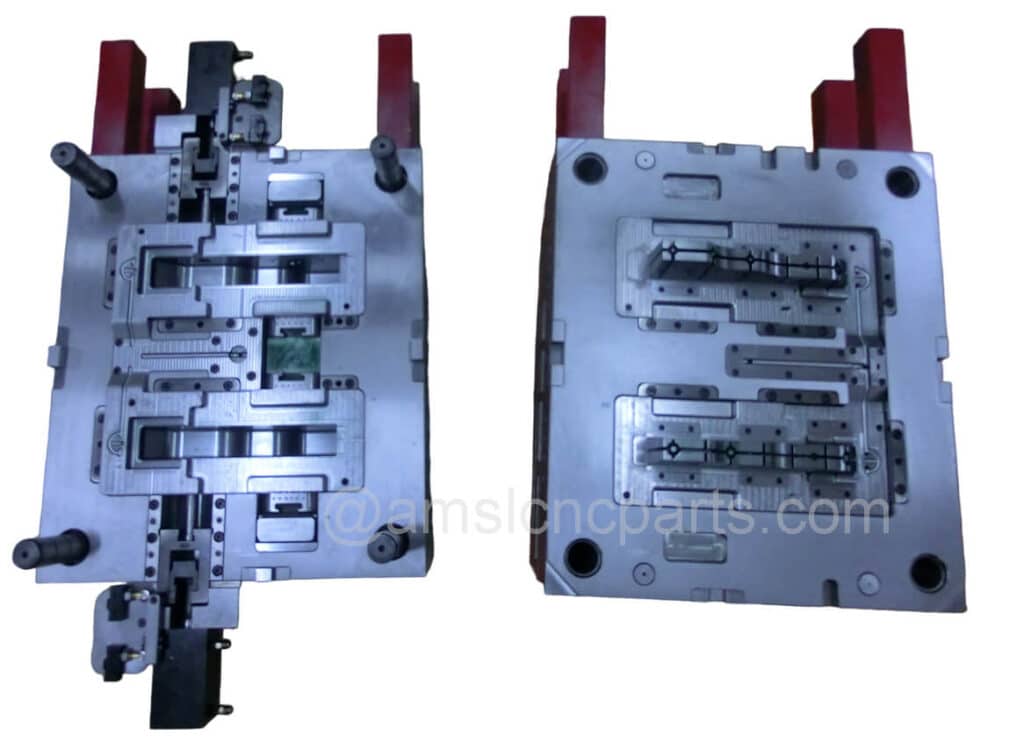
Cold runner old it refers to the part between the mold entrance and the product gate. The plastic maintains a flowing state in the runner by injection molding pressure and its own heat. The runner is a part of the molding material, but does not belong to the product. (The cold runner part is injection molding residue.)
What is a hot runner mold ?
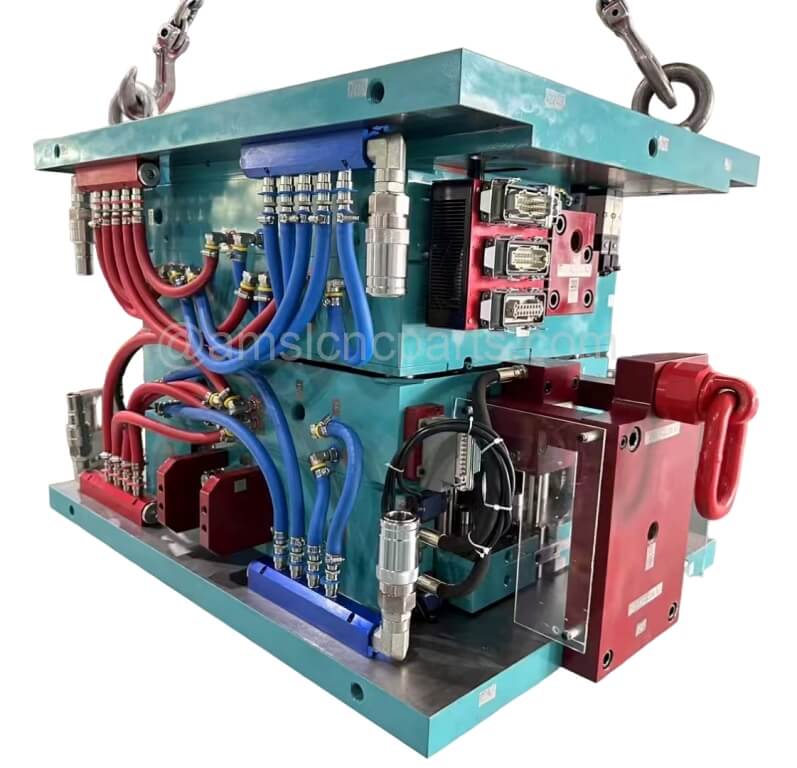
Hot runner as a common component of the injection mold system, heating is used to ensure that the plastic in the runner and gate remains molten. Since there are heating rods and heating rings near or in the center of the runner, the entire runner from the nozzle outlet of the injection molding machine to the gate is in a high temperature state, keeping the plastic in the runner molten. There is generally no need to open the runner to take out the condensate after shutdown. When you turn on the machine, you only need to heat the flow channel to the required temperature. For this reason, the hot runner process is sometimes called a hot manifold system, or runnerless molding.
Key Factors
-
Tooling Cost /Tooling Budget: Evaluate the upfront cost and long-term savings associated with each type of mold. Hot runner molds tend to be more expensive initially but can result in reduced material waste and lower production costs over time.
-
Material and Design: Analyze the characteristics of the material being used and the complexity of the part design. Certain materials may require hot runner systems to prevent material degradation or ensure proper flow. Additionally, intricate parts or multi-cavity molds may benefit from hot runner technology to achieve better part quality and consistency.
-
Cycle Time: Consider the desired production volume and cycle time requirements. Hot runner molds generally offer faster cycle times . If efficiency and high-volume production are essential, a hot runner mold may be preferable.
4. Flexibility: Assess the versatility and adaptability needed for future production. Cold runner molds are more flexible as they allow for easier color or material changes, while hot runner molds are better suited for dedicated production runs with minimal variation.
5. Maintenance and Downtime: Cold runner molds tend to be simpler and easier to maintain, requiring less time for cleaning and servicing, on the contrary hot runner mold maintenance cost is high, and difficult to clean if the nozzle was clogged.
Cold Runner Mold vs Hot Runner Mold
| Cold runner mold | Hot runner mold | Advantages of hot runner system |
|---|---|---|
| Features: The advantage of the cold runner system is that it is easy to use and can also meet certain aesthetic needs well. The cold runner can reduce the number of parts such as acrylic or polycarbonate used to transmit light in the injection molding channel, and avoid visible banding effects caused by injection in certain parts. | Features: Compared with conventional cold runner, hot runner technology has the following benefits: (1) Save raw materials and reduce costs; (2) Shorten the molding cycle and improve machine efficiency; (3) Improve the surface quality and mechanical properties of the product; ( 4) Point gates can be used without using a three-plate mold; (5) A single product can be economically formed with a side gate; (6) The degree of automation is improved; (7) The needle valve gate can be used to control gate freezing; (8) The quality of injection molded parts of multi-cavity molds is consistent; (9) The surface aesthetics of injection molded products are improved. | (1). The diameter of the hot runner is generally relatively large, and the melt remains at a high temperature in the hot runner. Therefore, the shear stress and pressure drop of the plastic flow through the hot runner are much lower than those through the cold runner. , and can deliver homogeneous (relatively same temperature and same pressure) melt to all gates, which is beneficial to high-quality injection molding of products (especially thin-walled products) and the development of molds with more cavities. (2). Cold runner molds often have a long cycle time because the cold runner is too thick compared to the product. In this case, the hot runner itself shortens the cycle time because it does not need to be cooled and solidified. (3). Saving raw materials and reducing product costs are the most significant features of hot runner molds. A large number of material handles are produced in an ordinary pouring system. When producing small products, the weight of the condensate in the pouring system may exceed the weight of the product. Since the plastic is always in a molten state in the hot runner mold, the product does not need to be trimmed and the gate is basically waste-free processing, so a large amount of raw materials can be saved. Since there is no need for recycling, sorting, crushing, dyeing and other processes of waste materials, it saves labor, time, energy and consumption. |
| Disadvantages of cold runner: (1) There is a lot of waste of raw materials; (2) It adds steps to the entire production process; (3) It is not suitable for multi-cavity systems. | Disadvantages: (1) The mold structure is complex, the cost is high, and the maintenance cost is high; (2) It takes a while for the process to stabilize during startup, resulting in a lot of scrap products; (3) When melt leakage or heating element failure occurs, it will have a greater impact on product quality and production progress. ( The third disadvantage above can be reduced by purchasing high-quality heating elements, hot runner plates, and nozzles and carefully maintaining them during use. ) | (4). The combined use of valve gates and hot runners can change the filling pattern (filling pattern), eliminate or transfer weld lines (weld lines), air pockets (airtraps), etc. Function. (5). It has a wide range of applicable resins and easy setting of molding conditions. Due to the improvement and development of hot runner temperature control system technology, hot runners can now be used not only for polyethylene and polypropylene with a wide melting temperature, but also for processing heat-sensitive plastics with a narrow temperature range, such as polyvinyl chloride and polyformaldehyde ( pom) etc. For polyamide (PA) that is prone to drooling, hot runner molding can also be achieved by selecting a valve-type hot nozzle. (6). Simplified operation and shortened molding cycle are also important features of hot runner molds. Compared with ordinary flow channels, the mold opening and closing stroke is shortened, which not only shortens the demoulding and molding cycle of the product, but also facilitates automated production. According to statistics, compared with ordinary runners, the molding cycle after switching to hot runners can generally be shortened by 30% |
By considering these factors, you can make an informed decision on whether to choose a cold runner mold or a hot runner mold for your specific production needs.