
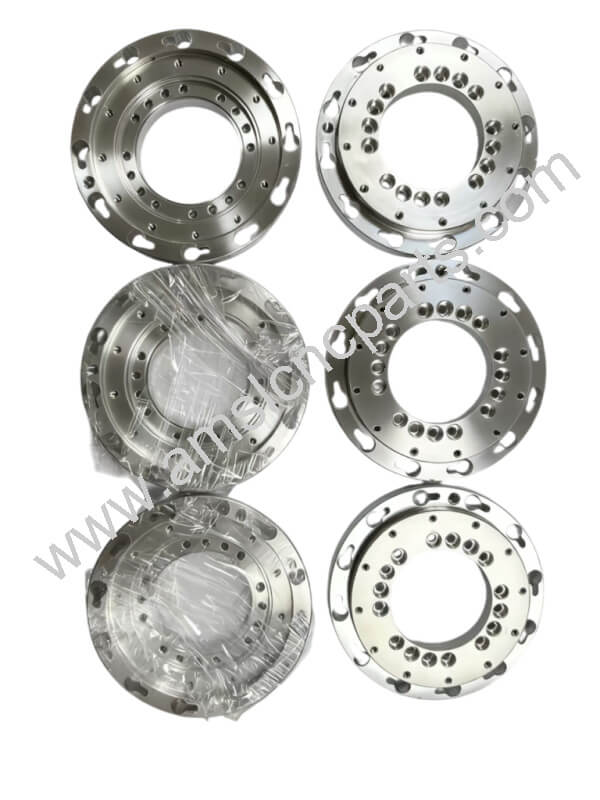
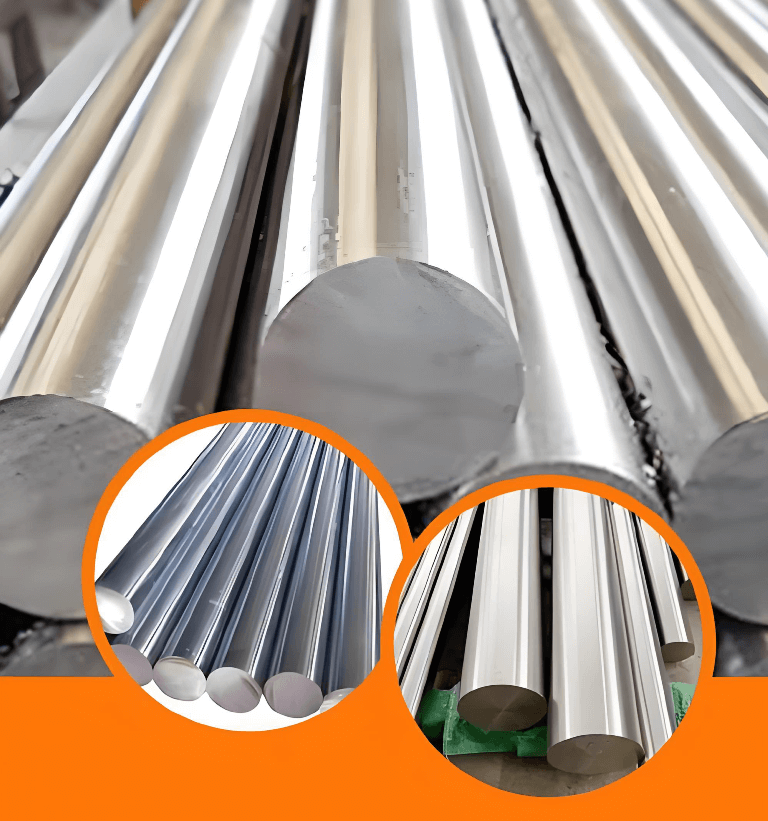
Key Facts
To begin with, here are the core specifications of 52100 steel that define its performance and applications:
Material Type:High-carbon Chromium Alloy Steel (SAE/AISI 52100, per SAE J404 specifications)
Hardness: Up to 66 HRC (after proper quenching and tempering; 180–220 HB in annealed state)
Primary Features: Excellent Wear Resistance, High Fatigue Strength, Good Hardness, Superior Dimensional Stability
Common Applications: Bearings, Tooling, Knives, Precision Instrument Components, Automotive Racing Parts
Machinability (Annealed): Fair (around 40-50% of a 1% carbon steel, optimized with proper tooling and coolant)
What Is 52100 Steel?
52100 steel belongs to the family of bearing steels, specifically designed to withstand repeated stress cycles and high contact loads. The SAE/AISI 52100 designation follows a systematic naming convention where the “5” indicates a chromium alloy steel, and the “100” represents approximately 1.00% carbon content. This material is prized for its purity and consistent performance, making it a staple in industries that demand precision and durability, such as automotive, aerospace, and tool manufacturing.
In addition, this bearing steel is typically available in various forms to suit different manufacturing needs:
Forms: bar( round or square), tube, sheet, plate, ball bearing, blanks, precision forgings
Conditions: Annealed (softened for machining), pre-hardened (ready for final processing), tempered (tailored hardness for specific applications)
52100 Steel Chemical Composition (SAE Standard)
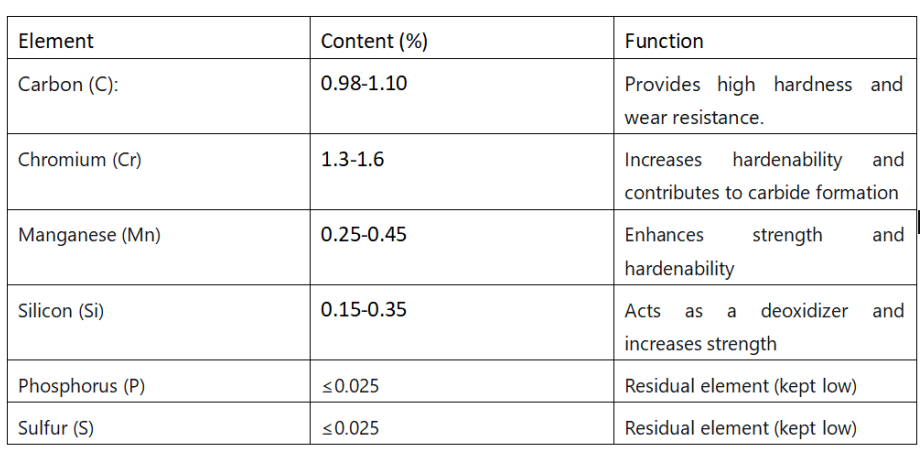
The exceptional performance of this high-carbon chromium alloy steel comes from its precisely controlled chemical makeup, which follows SAE J404 specifications. It typically includes approximately 1.00% carbon and 1.50% chromium, along with smaller additions of manganese, silicon, and trace elements—each carefully balanced to boost its core mechanical properties. Below is the detailed chemical composition range (per SAE J404 standard), highlighting the key elements that contribute to its strength and wear resistance:
Mechanical Properties of 52100 Steel
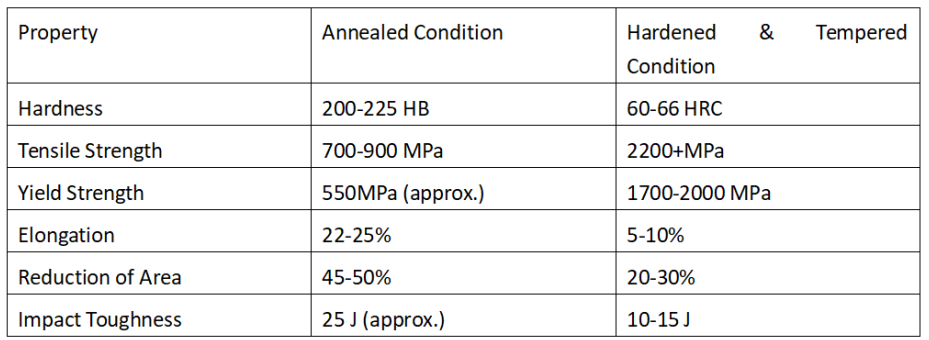
The mechanical properties of this bearing steel vary significantly between annealed and hardened conditions, with heat treatment being the key factor in unlocking its full potential.
Heat Treating of 52100 Bearing Steel
Proper heat treatment is crucial for unlocking the full potential of this bearing steel—incorrect processing can lead to reduced hardness, poor wear resistance, or even component failure. Here’s a detailed breakdown of the key stages, aligned with industry best practices, to ensure you achieve optimal results:
✅ Annealing: Softens the material for optimal machinability before hardening. Process: Heat to 800–850°C (1470–1560°F), hold for 2–4 hours, then cool slowly (50–100°C per hour) to room temperature. This eliminates internal stresses and ensures uniform softness.
🔥 Hardening (Quenching): The most critical step!
⚙️ Tempering: Follows quenching to reduce internal stresses and tailor the final hardness/toughness balance. Process: Heat to 150–300°C (300–570°F), hold for 1–2 hours, then air cool. Lower tempering temperatures (150–200°C) retain higher hardness (62–66 HRC), while higher temperatures (250–300°C) increase toughness at the cost of slight hardness reduction (58–62 HRC).
Proper execution at each stage ensures superior wear resistance, dimensional stability, and extend component’s life.
Machining and Welding 52100 Steel
Machinability
52100 steel presents moderate machining challenges, particularly in its annealed state —but with the right practices, precision machining is achievable
- Tool Selection: Use sharp, positive-rake carbide tools (grade K or P) for better chip flow and reduced wear; avoid high-speed steel (HSS) tools for heavy machining.
- Cutting Parameters: Moderate speeds (100–150 m/min for turning, 50–80 m/min for milling) with low feed rates (0.1–0.2 mm/rev) to minimize heat buildup.
- Coolant: Use ample coolant (emulsified or synthetic) to manage heat buildup and prevent tool wear; direct coolant to the cutting edge for maximum effectiveness.
- Condition: Machine in an annealed condition whenever possible; machining hardened 52100 (above 45 HRC) requires specialized tools (CBN or diamond inserts).
- Tool Geometry: Optimized chipbreaker geometry recommended to prevent chip clogging and improve surface finish.
Weldability
This high-carbon chromium alloy steel has poor weldability due to its high carbon content—welding without proper procedures will almost certainly result in cracking and component failure. Below are the primary risks and critical steps if welding is unavoidable, as skipping these steps can result in costly component damage:
Primary Risks:
- High crack susceptibility in the heat-affected zone (HAZ)– the area around the weld that is heated but not melted.
- Formation of hard, brittle martensite in the HAZ, reducing toughness and ductility.
- Residual stresses leading to service failures under repeated loads.
If Welding Is Absolutely Necessary:
- Pre-heat: Heat the entire component to 300-400°C (570-750°F) before welding; maintain this temperature throughout the welding process to slow cooling.
- Electrodes: Use low-hydrogen types (E7018, E10018) to minimize hydrogen-induced cracking; dry electrodes at 300–400°C for 1–2 hours before use.
- Post-weld: Immediate stress relief at 650°C (1200°F) for 2–4 hours, then slow cool to room temperature to eliminate residual stresses and soften the HAZ.
- Alternative: Consider brazing (using a copper-silver alloy) for joining applications, as it avoids the high heat and cracking risks associated with welding.
52100 Steel Properties: Edge Retention & Wear Performance
Applications of 52100 Steel
52100 steel excels in high-wear, high-precision applications, where durability and dimensional stability are non-negotiable. Below are its most common uses, with real-world examples, to help you identify if 52100 is the right material for your project:
Ball and Roller Bearings
The primary application where 52100’s high fatigue strength and wear resistance prevent spalling and extend service life is:
- Automotive wheel bearings
– used in high-performance and heavy-duty vehicles for their ability to handle repeated radial loads - Aircraft engine bearings
– critical for aerospace applications, where reliability and high-temperature performance are essential - Precision instrument bearings– used in medical devices, watches, and optical equipment for their smooth operation
- Industrial machinery bearings– found in pumps, motors, and gearboxes for their long service life
Cutting Tools and Knives
- High-performance chef’s knives – valued for their sharpness and edge retention, preferred by professional chefs
- Hunting and tactical knives – durable enough for outdoor use, with resistance to chipping and wear
- Industrial cutting blades – used in metalworking, woodworking, and packaging for their long service life
- Woodworking tools – chisels, planer blades, and router bits that require precision and wear resistance
Dies and Molds
- Forming dies– for metal stamping and bending, where wear resistance prevents die degradation
- Blanking punches– used in sheet metal fabrication for clean, precise cuts
- Mold components for plastic injection– maintain dimensional stability under repeated heating and cooling cycles
Specialized Components
- High-wear shafts and axles– in industrial machinery and automotive racing, where durability is critical
- Precision instruments–gears, pins, and shafts in medical and aerospace equipment
- Gearing applications– high-precision gears in robotics and automation
- Automotive racing components– engine parts, suspension components, and brake rotors for high-performance vehicles
Case Studies: 52100 Steel in Action
- Automotive Bearing Component: A leading automotive manufacturer approached AMSL to produce precision bearing races from 52100 steel. After optimizing heat treatment (850°C quenching + 200°C tempering) and CNC machining, the components achieved a hardness of 64 HRC and a surface finish of Ra 0.2 μm. These bearings outperformed the previous material (4140 steel) by 30% in service life, reducing maintenance costs for the manufacturer.
- Custom Chef’s Knives: A custom knife maker requested AMSL to machine 52100 steel blanks for high-end chef’s knives. Using annealed 52100 and precision grinding, we produced blanks with a uniform hardness of 62 HRC. The knives were tested against 440C stainless steel knives, and 52100 retained its edge 40% longer, making it a top choice for professional chefs.
Advantages and Disadvantages of 52100 Steel
Advantages
- Superior Wear Resistance: Outstanding performance in abrasive environments
- High Contact Fatigue Strength: Excellent resistance to pitting and spalling
- Exceptional Hardness: Can achieve up to 66 HRC after proper heat treatment
- Excellent Dimensional Stability: Maintains precision after heat treatment
- Good Resistance to Plastic Deformation: Withstands heavy loads without permanent deformation
- High Purity: Low trace element content ensures consistent performance and fatigue life
Disadvantages
- Poor Weldability: High risk of cracking requires specialized procedures
- Moderate Corrosion Resistance: Will rust if not properly protected
- Requires Expertise in Heat Treatment: Demands precise thermal processing
- Limited Toughness at High Hardness: Can be brittle in the hardened state
- Moderate Machinability: Requires specialized tools and parameters, increasing machining costs compared to softer steels
Other Steels vs. 52100
To help you compare 52100 with alternative materials, below is a detailed comparison with commonly used steels, highlighting their key differences and ideal applications:
52100 vs. 4140 Steel
- 52100 Advantages: Superior wear resistance, higher hardness capability,better fatigue strength
- 4140 Advantages: Better toughness, superior weldability, lower cost, easier machinability
- Selection Guide: Choose 52100 for wear applications (bearing, knives) , 4140 for structural components(shafts, brackets) that require welding or toughness
440C Stainless Steel vs. 52100
- 52100 Advantages: Slightly better wear resistance, higher purity versions available, better fatigue life
- 440C Advantages: Far superior corrosion resistance, easier to obtain, no need for rust protection
- Selection Guide: 52100 for maximum wear performance (dry environments), 440C for corrosive environments (wet, marine, chemical exposure)
52100 vs. O1 Tool Steel
- 52100 Advantages: Higher purity, better fatigue life, superior for bearings and high-cycle applications
- O1 Advantages: Easier heat treatment (oil-hardening), better dimensional stability, lower cost
- Selection Guide: 52100 for bearings and high-wear, high-cycle applications, O1 for tooling (dies, punches) that require easier heat treatment
52100 Steel Equivalent Materials
- 1095 Carbon Steel: Lower chromium content, similar hardness but poorer wear resistance; more affordable, ideal for low-cost knives and tools.
- D2 Tool Steel: Higher chromium (12%) and vanadium content, better wear resistance but lower fatigue strength; suitable for heavy-duty tooling.
- EN31 Steel (European Equivalent): Similar composition to 52100 (1.0% C, 1.5% Cr), used interchangeably in bearing and tool applications in Europe.
- SUJ2 Steel (Japanese Equivalent): Exact chemical match to 52100, used interchangeably in Japanese automotive and precision machinery.
Conclusion & Call to Action
52100 steel represents the pinnacle of performance for high-wear, high-precision applications. Its unique mix of high carbon and chromium makes a material that can handle extreme conditions. It also keeps its shape and has excellent wear resistance. Backed by SAE standards and proven in real-world applications, 52100 is a reliable choice for engineering and manufacturing teams that demand consistency and durability.
Whether you are designing high-speed bearings, precision tools, or strong parts, 52100 steel is a reliable choice. It offers proven performance that engineering and manufacturing teams can trust.
Need precision-machined components made from 52100 steel?
AMSL’s CNC machining expertise ensures your parts meet the highest standards for performance and durability—we specialize in injection mold making and machining 52100 steel to your exact specifications, with a track record of delivering components that outperform industry standards.